Lección de conversacion de nivel intermedio: Estructura organizada de una aerolínea
Antes de su clase de prueba, escuche la grabación de audio mientras lee el texto. Además, estudie las 5 preguntas para comprender mejor los temas que se tratarán durante la clase de prueba de conversación en línea.
All airlines throughout the world have different structures and types of ownership. For example, some are owned by the state and known as state-owned corporations, some are private limited companies (Ltd) owned by a few individuals and others are public limited companies (PLC) owned by a variety of shareholders, who can buy an airline’s shares on a public stock exchange and sell them when they wish.
Each year, by law, companies must hold a public annual general meeting (AGM) of the shareholders at which the board of directors announces the latest financial results for the fiscal year and also answers questions from the shareholders. If the airline has made a reasonable profit, it is the duty of the board of directors to recommend the payment of a dividend to the shareholders.
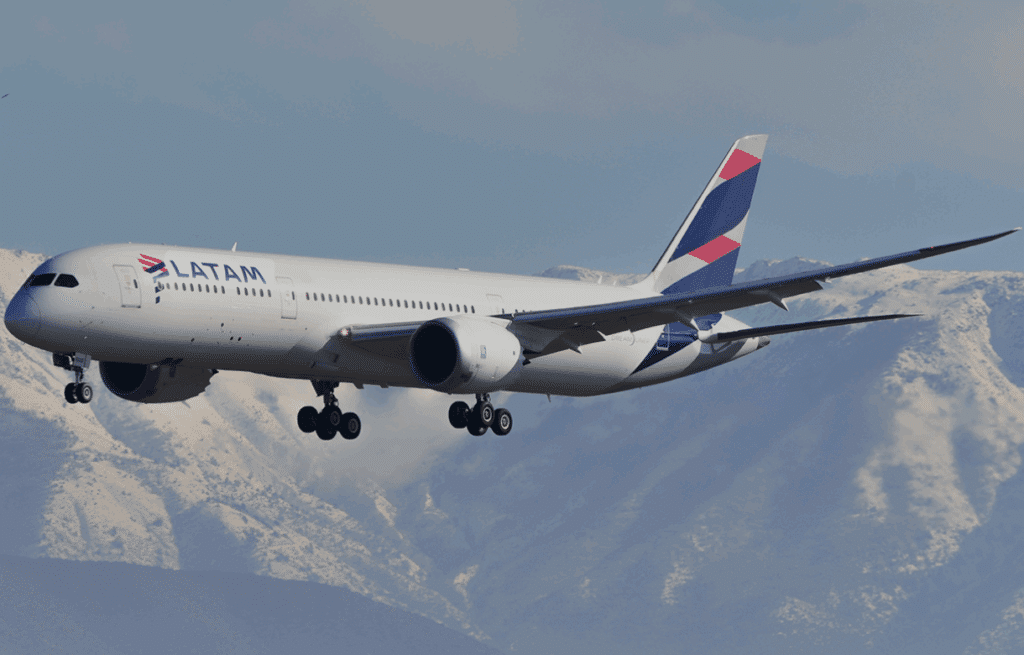
Carriers like Delta Air Lines Inc. in the USA, British Airways plc (BA) in the UK and LATAM Airlines Group SA in South America are examples of major public limited companies, all of whom have a Board of Directors which represents the shareholders and determines the general policy and strategy the company should follow under the chief executive officer (CEO), assisted by the senior management team and all of the company’s employees.
The three international airlines mentioned are composed of various departments led by senior managers called directors or vice-presidents. They are all members of the airline’s management board and report to the CEO, who is often also a member of the board of directors although not in all cases. At Delta Air Lines, for example, the CEO is also a member of the board of directors unlike the CEO of LATAM Airlines who is not.
5 Key topics for discussion in the conversation lesson
1. Summarise briefly the article in your own words and your initial thoughts about it.
2. List the three main types of formal business structure in the airline industry and explain the differences.
3. Outline what happens at an airline company’s Annual General Meeting (AGM).
4. Detail the major responsibilities of a company’s ‘Board of Directors’.
5. Summarise the senior people in an airline who assist the Chief Executive Officer (CEO) to organise, manage and operate the airline.